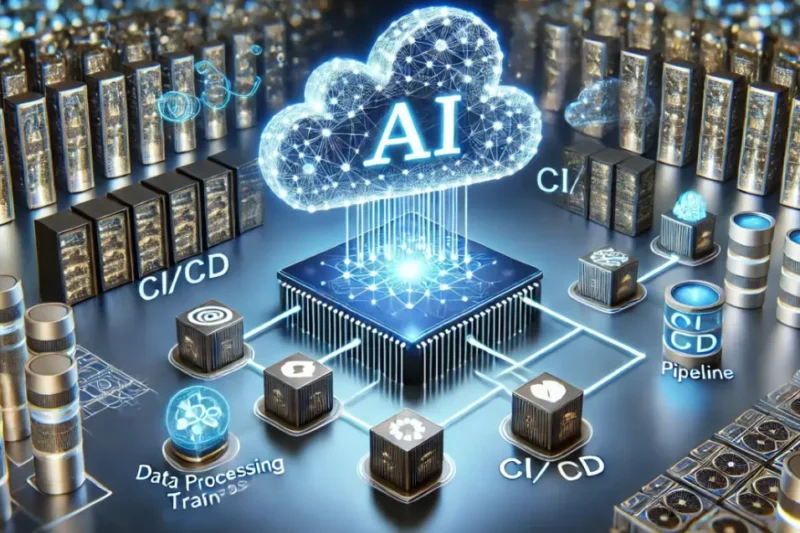
AI keeps working its way deeper into digital content production, and the Seedance 2.5 video generator is one more marker along that path. Built to simplify production while pushing visual quality higher, this update tracks with a demand that’s only growing across industries — genuinely efficient creative tools, not just flashy demos. From digital marketing to educational content to social storytelling, Seedance 2.5 keeps coming up in conversations about how AI can actually streamline modern video work rather than just automate a small piece of it.
AI Keeps Taking On More of the Video Workload
Video’s become one of the most-used content formats out there, across businesses, educators, publishers, and independent creators alike. At the same time, making a genuinely engaging video still takes real time, technical know-how, and editing resources that a lot of people simply don’t have sitting around.
Recent progress in AI-generated media aims squarely at that barrier — automating chunks of the creative process instead of leaving everything to manual work. Rather than building every visual element by hand, users can generate scenes, animation, and transitions straight from a text prompt or an existing visual reference. That shift lets teams spend more of their actual time refining ideas, rather than grinding through repetitive production steps that don’t really need a human doing them manually.
Where This Update Actually Pushes Things Forward
The latest generation of AI video tech is focused on smoother motion, better scene consistency, and prompt interpretation that’s genuinely more accurate than what came before. Seedance 2.5 reflects those same priorities, bringing enhancements that support more natural visual sequences and real control over what actually gets generated.
Rather than replacing traditional editing software, AI generation tools are increasingly showing up alongside workflows that already exist. This hybrid setup lets creators build concept videos, promotional clips, educational visuals, and social content faster before moving into detailed post-production whenever that’s actually needed — not skipping the human step, just getting to it faster.
Where the Real Efficiency Comes From
One of the more noticeable trends in AI-assisted production is straightforward workflow optimization. Marketing departments, creative agencies, startups, and independent creators are all working under tight deadlines while producing content across several platforms at once — a genuinely hard balancing act.
AI video generation cuts down the time spent on initial drafts, letting teams review concepts a lot earlier in the production cycle than they otherwise could. Instead of building every sequence by hand, creators can quickly generate visual ideas, weigh different approaches, and refine a project based on real feedback rather than a hunch. This matters most when developing a recurring content series, campaign variations, or several versions of the same promotional material tailored for different audiences.
Real Value for Marketing Campaigns
Digital marketing leans heavily on visual communication, full stop. Launching a product, introducing a new service, running a seasonal campaign — marketers usually need several video formats built for different platforms, and building each one from scratch eats a lot of time.
AI-generated video helps teams rapidly produce visual concepts for ads, product explainers, brand storytelling, and campaign teasers. Shortening those early production stages frees creative professionals up to focus more attention on messaging, audience targeting, and actually optimizing the campaign, rather than just producing raw assets. Being able to experiment across multiple visual directions also encourages more flexible creative planning, without requiring every single version to get built entirely from zero.
Keeping Social Content Flowing
Social platforms keep prioritizing short-form video, which makes consistent production genuinely important for both brands and individual creators trying to stay visible.
AI-assisted generation offers a real, practical way to build visually engaging clips for announcements, tutorials, event highlights, and educational content. Faster production timelines mean creators can respond to emerging trends quickly while still holding a regular publishing schedule together. This isn’t replacing creative decision-making — AI functions mostly as a production assistant, turning an idea into a visual draft that’s actually ready for editing and refinement.
Where Visual Storytelling Gets Stronger
Storytelling remains one of the most valuable parts of video communication, whether the goal is explaining something complicated or delivering something emotionally resonant. Better visuals genuinely improve engagement and how well information actually sticks with an audience.
The latest AI video models are getting much better at building scenes that have continuity from frame to frame, making a story feel more connected, not disjointed. These enhancements are a game-changer for everything from educational presentations to creative storytelling, internal comms and product demos. As AI generation continues to improve, creators have more flexibility to visualise concepts that otherwise would have required substantial design or animation resources to execute.
Where This Actually Shows Up Across Industries
AI-generated video’s adoption reaches well past content creators specifically. Organizations across a lot of sectors are exploring practical uses that genuinely improve communication efficiency — marketing campaign assets for digital ads, social videos for regular audience engagement, educational explainers and online learning material, internal corporate communication, product intros and feature demos, and visual storytelling for presentations and brand narratives.
These applications show how AI generation tends to complement existing creative processes rather than replace the professional expertise actually driving them.
AI development keeps moving fast, and it’s reshaping what people expect from digital content creation as it goes. Newer generation models are putting more weight on realistic motion, sharper prompt understanding, and smoother production workflows, all while giving creators more flexibility throughout the actual creative process. As organizations keep folding AI into their content strategy, tools like the Seedance 2.5 video generator show how automated video generation is moving from an experimental capability into something genuinely practical for modern creative work. Human creativity, editing judgment, and storytelling still matter as much as ever — AI-assisted generation just gives creators another way to produce visual content efficiently across marketing, social media, education, and communication generally.

Ava Mitchell turns celebrity facts into smart, scroll-worthy stories at Star Ledger Pro, backed by 3 years of experience.