Electrical outlets are a crucial part of every home, powering everything from kitchen appliances to phone chargers. When one or more outlets suddenly stop working, it can be both inconvenient and concerning. Homeowners often wonder if the issue is minor or a sign of a more significant electrical problem. Understanding the possible causes behind a non-functioning outlet can help you determine whether it’s something you can safely address or if you need to call a professional. This article covers the most common reasons outlets fail, how to troubleshoot them, and when to seek professional help.
Common causes and troubleshooting steps
Tripped Circuit Breakers and Blown Fuses
One of the most frequent reasons an electrical outlet stops working is a tripped circuit breaker or a blown fuse. Modern homes are equipped with circuit breakers that automatically shut off power to a circuit when they detect an overload or short circuit. This safety feature prevents electrical fires and damage to your wiring. If you notice that several outlets or lights in one area are not working, check your electrical panel for any breakers that have switched to the “off” position. Resetting the breaker may restore power, but if it trips again immediately, there could be a more serious issue at play. Older homes may still use fuses, which need to be replaced if blown. Consistently tripping breakers or blowing fuses indicate an underlying problem that should be addressed by a licensed electrician to ensure your home’s safety.
GFCI Outlets and Their Role
Ground Fault Circuit Interrupter (GFCI) outlets are designed to protect you from electrical shock by shutting off power when they detect a difference in current between the hot and neutral wires. These outlets are commonly found in kitchens, bathrooms, garages, and outdoor areas where moisture is present. If a GFCI outlet trips, it will cut power not only to itself but also to any outlets downstream on the same circuit. Sometimes, an outlet that appears dead is actually controlled by a tripped GFCI located elsewhere in the room or even in another part of the house. Pressing the “reset” button on the GFCI outlet can often restore power. If the outlet continues to trip, it may indicate a ground fault or wiring issue that requires professional attention. Homeowners in need of Vancouver WA residential electrical repairs should always consult a qualified electrician if GFCI outlets repeatedly trip or fail to reset, as this could signal a hazardous condition.
Loose or Damaged Wiring
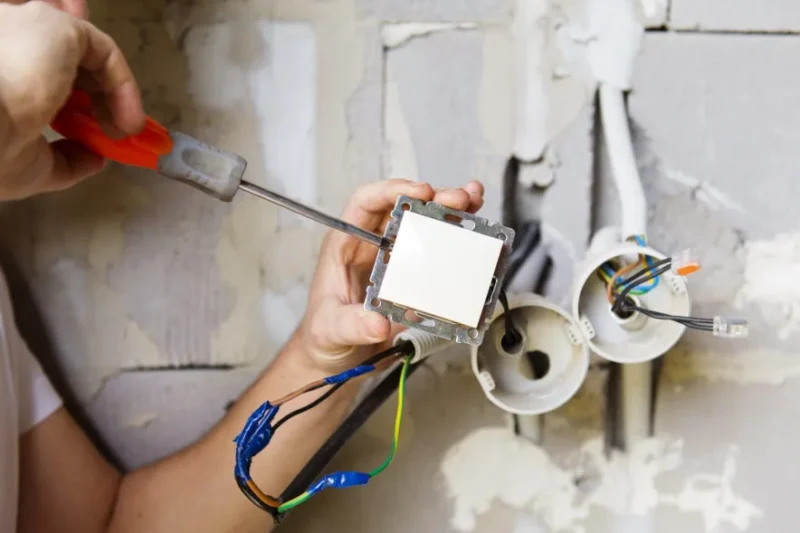
Wiring issues are another common culprit behind non-functioning outlets. Over time, the connections inside an outlet can become loose due to repeated use, vibrations, or poor installation practices. Loose wires can cause intermittent power loss, arcing, or even complete failure of the outlet. In some cases, the wiring behind the outlet may be damaged by rodents, moisture, or accidental punctures from nails or screws during home renovations. Damaged wiring not only prevents the outlet from working but also poses a significant fire risk. If you suspect a wiring problem, it is important to turn off the power at the breaker before inspecting the outlet. Signs of wiring issues include scorch marks, buzzing sounds, or a burning smell near the outlet. Addressing wiring problems should always be left to a licensed electrician, as improper repairs can lead to further hazards and code violations.
When Outlets Wear Out
Electrical outlets, like any other component in your home, have a limited lifespan. Over years of use, the internal contacts can wear out, resulting in poor connections or complete failure. Outlets that feel loose when you plug in a device, or those that only work intermittently, may be at the end of their service life. Worn-out outlets can also overheat, increasing the risk of electrical fires. Replacing old or damaged outlets is a straightforward task for a professional and can improve both the safety and reliability of your home’s electrical system. If you live in an older home and have never updated your outlets, it may be time to consider a comprehensive inspection and replacement plan to ensure everything is up to current safety standards.
Quick tip: Check for switched outlets
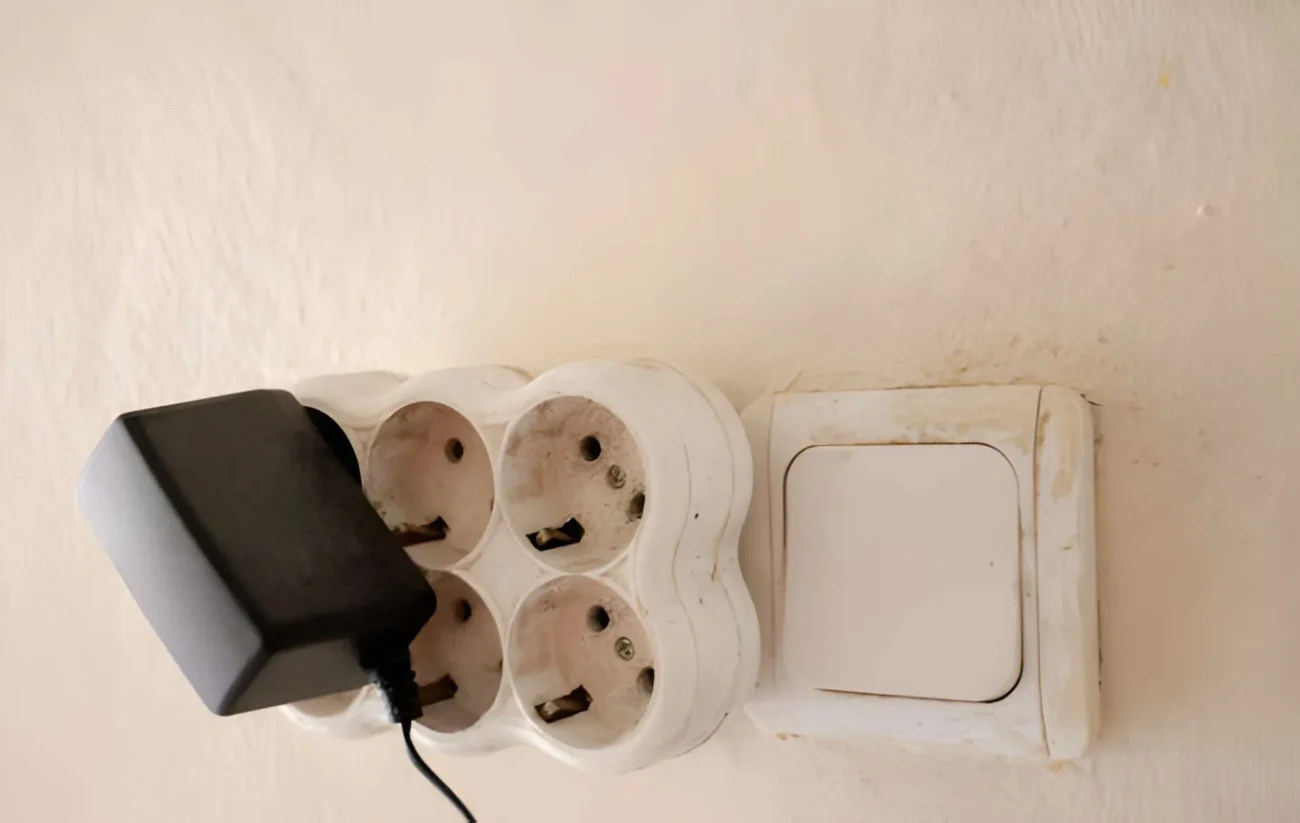
Some outlets are controlled by a wall switch, often found in living rooms or bedrooms where a switch is used to turn on a lamp. If an outlet is not working, make sure it is not simply switched off before assuming there is a problem.
Overloaded Circuits and High-Powered Devices
Plugging too many devices into a single outlet or circuit can cause it to overload and stop working. High-powered appliances such as space heaters, microwaves, or air conditioners draw significant amounts of current and can easily exceed the capacity of a standard circuit. When this happens, the breaker will trip to prevent overheating and potential fire hazards. Even if the breaker does not trip, continuous overloading can cause the outlet’s internal components to degrade faster, leading to failure. It is important to distribute high-powered devices across multiple circuits and avoid using extension cords or power strips as a permanent solution. If you find that your outlets frequently stop working when certain appliances are in use, it may be time to upgrade your electrical system to handle your household’s power needs safely.
Signs You Need Professional Help
While some outlet issues can be resolved with simple troubleshooting, others require the skills and knowledge of a licensed electrician. If you notice persistent problems such as outlets that spark, emit a burning odor, or feel hot to the touch, these are clear warning signs of a serious electrical hazard. Flickering lights, frequent breaker trips, or outlets that stop working without an obvious cause should also prompt a call to a professional. Attempting to repair electrical problems without proper training can result in injury, property damage, or code violations. A qualified electrician can diagnose the root cause of the issue, ensure all repairs are up to code, and provide peace of mind that your home is safe.
Conclusion
Electrical outlets can stop working for a variety of reasons, ranging from simple issues like tripped breakers or GFCI outlets to more complex problems such as damaged wiring or worn-out components. Understanding the potential causes can help you troubleshoot minor issues and recognize when it’s time to call a professional. Regular maintenance and prompt attention to electrical problems are essential for keeping your home safe and functional. If you encounter persistent or unexplained outlet failures, don’t hesitate to seek professional assistance to protect your property and your family’s safety.

Ava Mitchell turns celebrity facts into smart, scroll-worthy stories at Star Ledger Pro, backed by 3 years of experience.