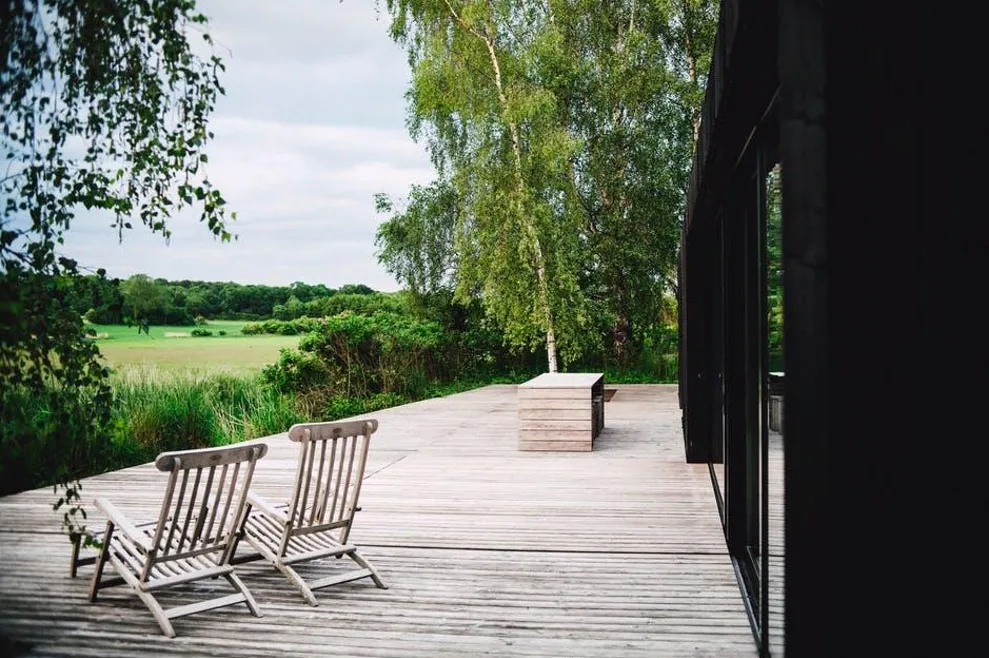
Adding an outdoor area to your house creates extra room for relaxation and family fun. A well-designed backyard space raises your resale home value and expands your daily living standard. Planning every detail carefully turns your yard into a practical extension of your home. You need a solid strategy before buying construction supplies or laying down concrete foundations.
Taking time to prepare your layout guarantees long term satisfaction with your investment. Setting a clear goal for your backyard project reduces unexpected stress down the road. Thoughtful decisions made early keep your timeline moving smoothly without costly mid-project changes.
Define How You Plan to Use Your Space
Your daily lifestyle shapes the entire blueprint of your new outdoor area. Hiring a professional decking builder gives you direct expert guidance on spatial layout and structural support. Smart layout planning keeps your outdoor dining table separate from relaxed lounging zones.
You might want a quiet spot for morning coffee or a large area for weekend family cookouts. Think about how many people will use the space on typical warm afternoons. Planning wide walkways allows guests to move around without bumping into furniture or walls.
Large dining tables need extra room behind chairs so people slide out safely. Heavy cooking equipment like grills requires clear distance from wooden safety railings and house siding. Dividing your platform into dedicated areas makes the space functional and attractive.
Establish a Realistic Budget Early
Making a solid budget takes away money stress during your home project. Material prices go up and down based on the wood or composite brand you pick. You also need to plan for labor costs, site prep, and permit fees right from the start.
Set aside fifteen percent extra for surprises like ground issues or sudden price jumps. Sloped yards need more support posts and deeper concrete footings to stay steady. Buying strong fasteners stops safety problems before they can happen.
Contractors can help you track material prices from beginning to end. Careful price checks keep your spending where it should be. Good quality hardware protects your investment through all kinds of weather and seasons.
Select the Ideal Location and Orientation
Positioning your new outdoor space affects how much sun exposure you receive throughout the day. Southern orientations catch maximum light, making them great for homes in cooler regions. Northern placements offer natural shade, keeping spaces cool during hot mid-summer afternoons.
Connecting your deck to the main kitchen makes serving meals quick and convenient. Direct sliding doors create smooth transitions between your indoor rooms and outdoor spaces. Private master bedroom connections offer quiet retreat spots for morning relaxation.
Consider privacy from nearby neighbors when picking your ideal yard placement spot. Tall privacy screens or strategic bushes block unwanted views from surrounding yards. Natural windbreaks protect outdoor furniture from strong seasonal weather gusts.
Incorporate Functional Lighting and Power
Good lighting lets you enjoy your outdoor space even after the sun goes down. Low voltage LED step lights help you see stairs clearly and prevent trips at night. Post cap fixtures light up the edges of your space without shining too bright in your guests’ eyes.
Placing weatherproof outlets near seating areas makes daily life much easier. These outlets let you plug in laptops, speakers, and cooking tools outdoors. Professional wiring keeps all connections safe from rain and wet conditions.
Dimmable lights let you change from bright cooking light to soft glow for parties. Solar lights are easy to install and help save money on your electric bill. Thoughtful lighting choices create a warm and cozy feel for everyone in the family.
Pick Built-In Features for Maximum Comfort
Custom additions make your outdoor space feel like part of your home inside. Built-in benches save room and give you plenty of seats for big groups on weekends. Planters along the edges add green color and life to hard wooden surfaces.
Storage benches keep soft cushions safe from rain and dirt. Overhead pergolas give nice shade on hot afternoons. Retractable canvas covers protect you from light spring weather when you need it.
Fire tables become cozy gathering spots for cool fall nights with friends. Built-in ice chests make it easy to serve cold drinks during summer parties. Custom touches show off your personal style and fit the way your family lives.
Check Local Permits and Building Codes
Building codes keep you safe by setting strong rules for all homes in your area. Most cities want to see detailed plans before they give you a permit. If you skip this step, you could have big problems when you try to sell your house later on.
There are rules about how close your build can be to the neighbor’s property line. Height limits control how tall your structure can go above the ground. Railing rules help stop people from falling off high decks or platforms.
Professional builders know how to handle permit applications without slowing down the job. Working with approved permits keeps your home insurance valid and protects you from trouble. City inspectors will check your work to make sure it follows all the local rules and guidelines.
Maintenance Requirements for Long Term Use
Regular care protects your investment against natural wear and wood decay. Sweeping away wet leaves stops moisture from collecting in narrow board gaps. Power washing once a year removes hidden dirt and stubborn mildew build up.
Natural timber requires fresh stain every 2 or 3 years to maintain color. Checking joists and ledger boards regularly stops hidden structural rot problems early. Tightening loose screws keeps railings firm and safe for active family use.
Composite surfaces require less work but still need simple routine cleaning. Cleaning up food spills quickly prevents stubborn oil stains on synthetic boards. Simple care habits extend your outdoor structure lifespan by decades.
Choose Durable Materials That Last
Picking strong materials saves you time and money over the years. Pressure-treated wood resists rot and insects better than regular lumber. Composite boards never need staining and hold up well against rain and sun.
Metal railings and brackets add extra strength to high-traffic areas. Always check the warranty on every product before you buy. Good materials cost more upfront but last much longer with less work. Smart choices now mean fewer repairs and replacements down the road.
Looking for More Home Upgrade Ideas
Adding a deck improves your home appearance, function, and resale potential. Strategic planning and quality materials create a space your family enjoys for years. Looking for more tips and ideas? Check out some of our other posts now.

Ava Mitchell turns celebrity facts into smart, scroll-worthy stories at Star Ledger Pro, backed by 3 years of experience.


