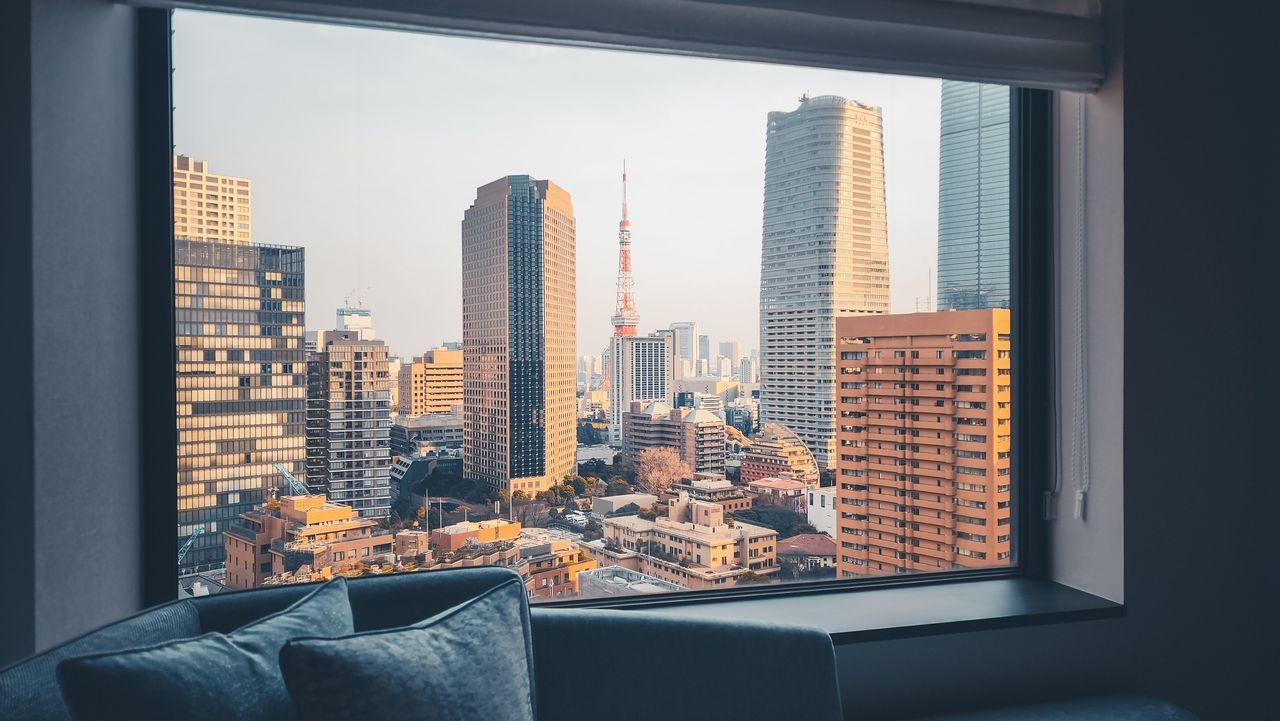
Tokyo’s rental system has tradition baked into every step of it. For newcomers, the traditional rental system in Tokyo can feel like a maze of unfamiliar practices and high costs. Key money, deposits, agency fees, and guarantor requirements quickly add up, making the process expensive and daunting before you’ve even unpacked your bags.
Flexible monthly housing, on the other hand, offers a simpler, more accessible alternative. It fits the way people actually land in this city. Here are six reasons it holds up.
No Costly Upfront Deposits or Key Money
Standard Tokyo leases come with a stack of fees. Tenants pay a security deposit (shikikin) and key money (reikin), each typically worth one to two months of rent, along with a brokerage fee and a guarantor company charge.
Combined, those costs can reach five to six times your monthly rent before move-in day arrives. Monthly housing removes all of it. No reikin, no shikikin, no broker commission. The money stays with you instead of disappearing into fees.
Fully Furnished Units Remove the Moving Headache
People searching for monthly apartment rentals in Tokyo (도쿄 아파트 월세) quickly realize that most units arrive fully equipped: beds, desks, refrigerators, washing machines, and air conditioning are standard inclusions.
There is no furniture shopping, no delivery window to wait around for, and no disposal costs when you leave. You arrive with a suitcase and the place works on day one. That matters enormously when your time in the city is measured in weeks rather than years.
Short Term Leases Fit Internships and Project Timelines
Most conventional Tokyo leases lock you in for two years with strict renewal terms. That structure makes no sense for someone on a four-month internship or a fixed-duration work project. Monthly contracts start at one month and scale to whatever length your situation actually requires.
Your housing ends when your assignment does. There are no penalties for not renewing and no scramble to find someone to take over the unit just to recover your costs.
Extending Your Lease Week by Week as Needed
Internship extended by six weeks? Project scope widened at the last minute? Monthly rentals in Tokyo often allow week-by-week extensions once the initial contract is in place. Rather than scrambling for a new unit or overpaying for a hotel during a gap, you simply request extra time on the same apartment.
Your address stays the same. Your routine stays intact. That kind of flexibility has real value when your plans shift and you need your housing to shift with them.
Standardized Contracts in English Eliminate Translation Issues
Japanese real estate contracts are thorough documents, and reading one without strong language fluency puts you in a position where you are agreeing to terms you cannot fully verify.
Monthly housing providers in Tokyo have responded to the growing international tenant population by offering contracts written in clear, plain English. The obligations are stated directly. You sign knowing exactly what you are committing to, without needing a translator or a dictionary open on the side.
Easier Credit Approval with No Japanese Guarantor Required
Long term rentals in Japan almost always require a Japanese guarantor: a local individual or guarantor company willing to take formal responsibility for your lease. For foreigners without established connections in Japan, that single requirement can block an otherwise straightforward application entirely.
Monthly housing providers generally skip this step. Proof of income or a recent bank statement is typically sufficient, which opens up far more options for international residents who are new to the city and building their footing from scratch.

Ava Mitchell turns celebrity facts into smart, scroll-worthy stories at Star Ledger Pro, backed by 3 years of experience.


