When you are living with persistent depression, every day can feel like an uphill battle. Standard approaches like oral medications and talk therapy work for many people, but they do not work for everyone. If you have tried multiple prescriptions only to find yourself dealing with harsh side effects or minimal mood improvements, it is easy to feel discouraged. However, modern mental health care offers options beyond traditional prescriptions. Transcranial Magnetic Stimulation, commonly known as TMS, has become a prominent choice for individuals seeking relief from treatment-resistant depression right in Monmouth County. This best TMS therapy Tinton Falls guide for patients aims to demystify the process, giving you clear insights into how the technology works, what your daily schedule will look like, and how to prepare for your treatment journey.
Understanding the Science: How Magnetic Waves Help the Brain
To appreciate why this treatment is different, it helps to understand how it targets depression at its root. Antidepressants work chemically, traveling through your entire bloodstream to alter chemicals in your body. This systemic approach is often why people experience side effects like fatigue, weight gain, or nausea. TMS takes a completely different path by using precise magnetic fields to target the specific area of the brain responsible for mood regulation, known as the prefrontal cortex.
In individuals dealing with chronic depression, the neurons in this specific region often display reduced activity. The treatment uses a specialized magnetic coil to deliver focused pulses to these underactive areas. These magnetic waves safely pass through your skull, creating tiny electrical currents that encourage the neurons to fire more actively. Over time, this repeated stimulation helps rebuild and strengthen neural pathways, a process known as neuroplasticity. By revitalizing these connections, your brain becomes better equipped to regulate mood naturally.
Because the treatment relies on magnetic fields similar to those used in standard MRI machines, it is completely non-invasive. You do not need surgery, implants, or any form of anesthesia. You remain fully awake and alert during each session, eliminating the recovery time associated with more invasive medical procedures. It provides an excellent pathway for individuals interested in advanced depression treatments that avoid the side effects of systemic medications.
The Daily Routine: What to Expect During Your Treatment Sessions
The idea of undergoing brain stimulation might sound intimidating at first, but the actual daily experience is straightforward and comfortable. Your first appointment is typically the longest because it involves a process called mapping. During this session, the clinician determines the exact placement of the magnetic coil on your head and establishes your motor threshold, which is the minimum magnetic intensity required to make your thumb twitch. This personalized measurement ensures that the treatment is tailored precisely to your unique brain anatomy.
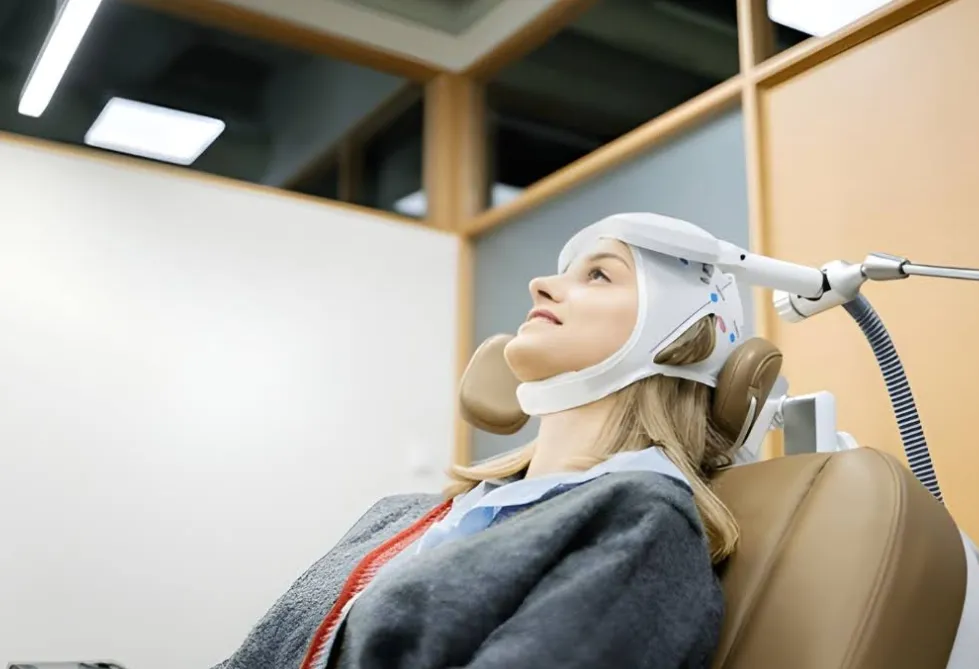
Once your customized settings are locked in, your regular daily sessions can begin. During a standard session, you will sit in a comfortable, cushioned chair, much like a relaxing recliner. The technician will place the magnetic coil gently against your scalp. When the machine is activated, you will hear a rapid clicking sound, followed by a rhythmic tapping sensation on your head. Many patients describe this feeling as being similar to an electric toothbrush pressing against the scalp. While it may feel slightly unusual during the first few days, most people adapt quickly and find the sensation easy to tolerate.
Each standard session lasts anywhere from twenty to forty minutes. Since there are no sedatives involved, your cognitive functions remain entirely unaffected. You can read a book, watch videos on your phone, or chat with the technician while the session is underway. As soon as the treatment ends, you can stand up, collect your things, and get right back to your day. You can safely drive yourself to and from the clinic, attend work meetings, or run errands around town without any downtime.
To achieve the best possible results, consistency is key. The standard protocol requires sessions five days a week, usually from Monday through Friday, for a period of six to nine weeks. While this looks like a significant time investment, the outpatient nature of the treatment means it can easily fit into a lunch break or an early morning routine.
Preparing for Success: Choosing Your Local Provider and Navigating Insurance
Deciding to start this therapeutic journey is a major step toward reclaiming your health, and setting yourself up for success involves finding the right local care team. Because you will visit the clinic daily for several weeks, selecting a provider located conveniently in the Tinton Falls area is a practical way to minimize travel stress and keep your routine manageable.
When researching potential clinics, prioritize facilities that emphasize patient comfort and detailed clinical oversight. Your initial consultation should be an open dialogue where the team explains the process, reviews your medical history, and answers every question you have. It is also an ideal time to discuss insurance logistics. Most major insurance providers, including Medicare and private commercial plans, offer comprehensive coverage for this treatment. Typically, coverage is approved for individuals who have not found adequate relief from a specific number of antidepressant medications or who cannot tolerate medication side effects. A quality local clinic will have dedicated staff members who handle the prior authorization process for you, working directly with your insurance company to minimize out-of-pocket costs.
As you move forward, keep in mind that mental wellness is a gradual process. While some patients report noticing improvements in their mood and energy levels within the first few weeks, others see the most significant changes toward the end of their treatment cycle. Staying connected with your referring doctor or therapist throughout the process can provide an extra layer of support. By exploring these innovative, non-invasive mental health options near home, you are taking an active, informed role in your mental healthcare and opening the door to sustainable, long-term recovery.

Ava Mitchell turns celebrity facts into smart, scroll-worthy stories at Star Ledger Pro, backed by 3 years of experience.


