When your air conditioning system starts acting up, it can be difficult to pinpoint the exact cause without some technical know-how. One of the most common culprits behind AC malfunctions is a failing capacitor, a small but vital component that helps your unit start and run efficiently. Recognizing the signs of a bad AC capacitor early can save you from discomfort during hot weather and prevent more costly repairs down the line. Understanding what to look for and how to respond can make a significant difference in the performance and longevity of your air conditioning system.
Signs Your AC Capacitor Might Be Failing
What Does an AC Capacitor Do?
An AC capacitor is an electrical component that stores and releases energy to help power the motors in your air conditioning system. It plays a crucial role in both starting the compressor and keeping it running smoothly. Without a functioning capacitor, your AC unit may struggle to turn on or operate at its full capacity. The capacitor works by providing a quick burst of energy to the motor, which is necessary for the initial startup. Once the motor is running, the capacitor continues to regulate the flow of electricity, ensuring that the system operates efficiently. Over time, capacitors can wear out due to heat, electrical surges, or simply age, leading to a decline in performance. When this happens, the entire AC system can be affected, resulting in poor cooling, increased energy consumption, and even complete system failure if not addressed promptly.
Common Symptoms of a Bad AC Capacitor
One of the first signs that your AC capacitor may be going bad is a noticeable decline in cooling performance. You might find that your air conditioner is running, but the air coming out of the vents is not as cold as it should be. In some cases, the unit may struggle to start or may not turn on at all. Another common symptom is a humming noise coming from the outdoor unit, which can indicate that the motor is trying to start but lacks the necessary power boost from the capacitor. If you notice your AC unit cycling on and off more frequently than usual, this could also be a sign of capacitor trouble. In addition, a bad capacitor can cause the circuit breaker to trip repeatedly, as the system draws more power in an attempt to compensate for the failing component. If you experience any of these issues, it may be time to consider ac repair to prevent further damage to your system.
Physical Signs of Capacitor Failure
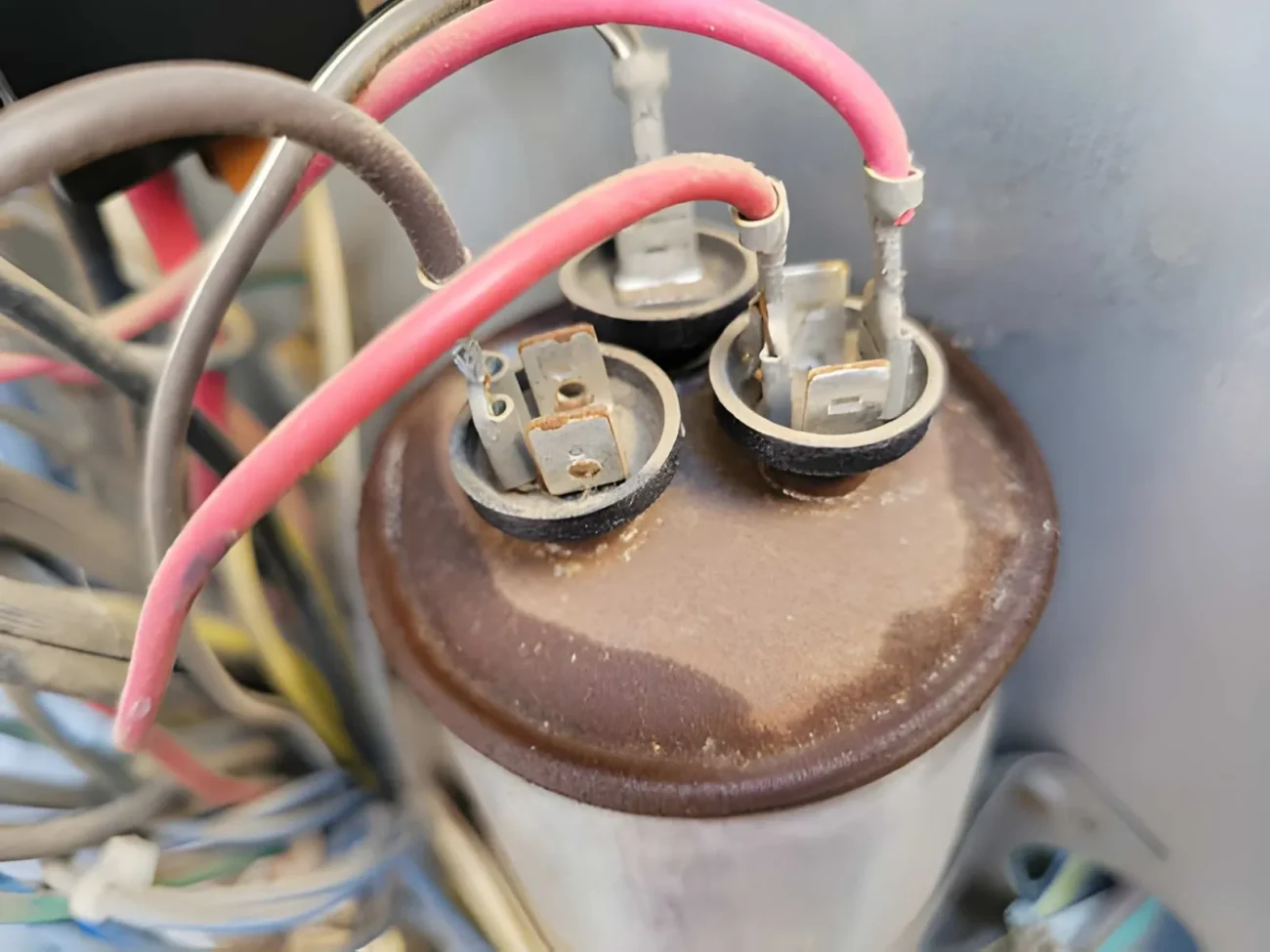
In addition to performance issues, there are physical signs that can indicate a failing AC capacitor. If you feel comfortable doing so, you can visually inspect the capacitor, which is typically located in the outdoor condenser unit. A healthy capacitor should have a flat top and show no signs of damage. However, a bad capacitor may appear swollen or bulging at the top, which is a clear indication that it has overheated or is under internal pressure. You might also notice leaking fluid or corrosion around the terminals, both of which suggest that the capacitor is no longer functioning properly. In some cases, the capacitor may emit a burnt smell, which is a sign that it has overheated and could potentially be a fire hazard. If you observe any of these physical symptoms, it is important to turn off your AC system and contact a professional for further inspection and replacement.
Why Timely Replacement Matters
A failing AC capacitor can have a significant impact on the overall health of your air conditioning system. When the capacitor is not working correctly, the motors in your unit have to work harder to start and run, which can lead to increased wear and tear. Over time, this added strain can cause other components, such as the compressor or fan motor, to fail prematurely. Replacing a bad capacitor promptly can help prevent these more serious and expensive issues from developing. Additionally, a malfunctioning capacitor can cause your AC unit to use more electricity, leading to higher energy bills. By addressing capacitor problems early, you can maintain the efficiency of your system and avoid unnecessary costs. Regular maintenance and inspections can help catch capacitor issues before they lead to a complete breakdown, ensuring that your home stays comfortable throughout the cooling season.
How Long Does an AC Capacitor Last?
Most AC capacitors are designed to last between five and twenty years, depending on factors such as usage, environmental conditions, and the quality of the component. Frequent power surges, high temperatures, and heavy use can all shorten the lifespan of a capacitor. Regular maintenance and prompt attention to any signs of trouble can help extend the life of your capacitor and keep your air conditioning system running smoothly.
Conclusion
Recognizing the signs of a failing AC capacitor is essential for maintaining the comfort and efficiency of your home. From reduced cooling performance and unusual noises to visible damage and frequent system cycling, these symptoms should not be ignored. Addressing capacitor issues promptly can prevent more serious problems and costly repairs, while also ensuring that your air conditioning system operates at its best. Regular inspections and timely replacements are key to avoiding unexpected breakdowns and keeping your home cool during the hottest months. If you suspect your AC capacitor is going bad, taking action now can save you time, money, and discomfort in the long run.

Ava Mitchell turns celebrity facts into smart, scroll-worthy stories at Star Ledger Pro, backed by 3 years of experience.