Key Takeaways
- Electrical work blends hands-on ability, careful problem-solving, basic math, and disciplined safety habits.
- Beginners can prepare through foundation courses, technical schools, helper roles, or registered apprenticeships.
- Tool control, plan reading, communication, and reliability matter from the first day on a job site.
- Electrical careers can develop into residential, commercial, industrial, controls, maintenance, and energy-related work.
Electrical work is a practical career path for people who enjoy building, troubleshooting, and learning how systems fit together. Homes, businesses, public facilities, and industrial sites all rely on electrical equipment, which means the work can involve many settings and specialties over time. A strong start does not require pretending to know everything. It requires curiosity, consistency, and respect for the risks involved. For example, https://abchoa.org/education/electrical-program/ describes an apprenticeship model that combines classroom instruction with paid job-site training, a structure many new entrants may encounter while exploring local options.
Why The Electrical Trades Attract New Workers
The electrical trades appeal to people who want visible results from their work. A crew may help install the systems that power lighting, equipment, controls, and communications in a new building, or diagnose problems in an existing one. The trade also rewards patience. Small details in measurements, labeling, routing, and connections can affect how smoothly a project proceeds.
What Entry-Level Electrical Work Looks Like
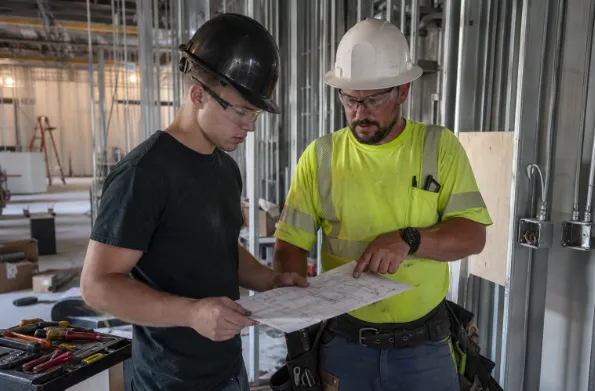
New workers generally begin under supervision. Their responsibilities may include organizing materials, taking measurements, labeling boxes or cables, keeping work areas orderly, and assisting experienced electricians in installing conduit, fixtures, supports, and wiring systems. Beginners also learn by watching how qualified workers read plans, inspect installations, and test equipment. No newcomer should perform electrical work beyond their training, authorization, and supervision level.
Core Skills To Build Before Applying
Basic Math And Measurement
Fractions, decimals, unit conversions, measurements, and simple formulas appear regularly in electrical work. Accurate math helps workers cut materials correctly, plan layouts, and avoid preventable waste. The goal is not to race through calculations. It is to understand the numbers and check the result before acting on it.
Blueprints, Diagrams, And Communication
Plans and diagrams show where equipment belongs and how systems are intended to connect. Newcomers should become comfortable identifying common symbols, notes, schedules, and dimensions. Communication is equally important. Asking a clear question, repeating an instruction back, and reporting a problem early can prevent mistakes and protect the crew.
Hand Tool Control
Screwdrivers, pliers, wire strippers, tape measures, levels, drills, and marking tools are common starting points. Good tool use means selecting the right tool, maintaining a secure grip, protecting the workpiece, and following the manufacturer’s instructions. Control and accuracy should come before speed.
Training Options For Beginners
There is no single route into the field. A pre-apprenticeship or foundation course can introduce safety, theory, tools, and job-site routines before a person applies for work. One example of electrical trades preparation includes hands-on learning intended to help students prepare for an apprenticeship or entry-level position.
- Apprenticeships: Often combine supervised work experience with related classroom instruction.
- Technical schools: May offer structured labs and a focused setting for learning fundamentals.
- Entry-level helper roles: Can provide early exposure to construction routines, provided qualified supervision is in place.
- Pre-apprenticeship programs: May help applicants strengthen math, safety awareness, and confidence before pursuing paid field work.
Preparing For An Apprenticeship
Requirements vary by program and location, so applicants should review each opportunity carefully. Gather identification, school records, work history, and references well before an application deadline. Refresh basic math, prepare a short and honest explanation of why the trade interests you, and bring questions about schedules, classroom expectations, supervision, and advancement. Showing up early with organized paperwork demonstrates the reliability employers expect on a job site.
Safety Habits From Day One
Electrical work can involve hazards such as shock, arc flash, burns, falls, cuts, and confined work areas. Safety is not a separate task to complete after the work is done. It is part of every task. Follow site rules, use required personal protective equipment, keep walkways clear, and report damaged tools, exposed conductors, or unclear conditions immediately. Never assume equipment is safe simply because a switch appears to be off. Stop and ask when unsure.
A Practical Starter Tool Checklist
Beginners do not need to buy every possible tool at once. Employers, instructors, and apprenticeship programs usually provide a list of required equipment. A sensible starter kit may include:
- Insulated screwdrivers appropriate for the intended task.
- Linesman pliers, needle-nose pliers, wire strippers, and cable cutters.
- A tape measure, torpedo level, utility knife, marker, and notebook.
- Safety glasses, suitable gloves, hearing protection, and work boots.
- A voltage tester is used only according to training and established safety procedures.
Technology And The Modern Electrical Trade
Electrical workers may encounter smart controls, building automation systems, digital test equipment, solar equipment, energy storage, and electric vehicle charging infrastructure. These tools change how systems are installed, documented, monitored, and maintained, but they do not replace strong fundamentals. Discussion of modern utility workforce training also reflects the growing importance of technical instruction, safety practices, and digital tools in electrical careers.
Career Paths After Entry-Level Training
Experience can open several directions. Some workers focus on residential installation and service, while others work in commercial construction, industrial maintenance, low-voltage systems, motor controls, or automation. Additional training and licensing may support movement into estimating, project coordination, inspection, supervision, instruction, or electrical contracting. The right path depends on local opportunities, personal strengths, and the type of work a person wants to master.
Common Questions From Newcomers
Do You Need Previous Experience?
Not always. Many entry routes are designed for people starting with basic knowledge. A dependable attitude, willingness to learn, and ability to follow directions can be more valuable than overstating limited experience.
Is Electrical Work Physically Demanding?
It can be. Work may involve standing, climbing, kneeling, lifting, reaching, and working indoors or outdoors. Candidates should consider whether they can perform the required tasks safely and discuss job expectations with prospective employers.
How Long Does Training Take?
Timelines depend on the program, occupation, state or local licensing rules, and the amount of required supervised experience. Always verify the requirements that apply where you intend to work.
Final Thoughts
A career in the electrical trades begins with repeatable habits: arrive prepared, learn the basics, protect yourself and others, ask thoughtful questions, and improve through practice. Building a strong foundation also means becoming familiar with tools, electrical components, basic plans, safety procedures, and proper worksite communication. Hands-on experience can help learners understand how classroom concepts apply to real installations, troubleshooting, and maintenance tasks. Feedback from instructors, supervisors, and experienced electricians can also help identify mistakes and reinforce good work practices. The best path is not necessarily the fastest one. It is the one that builds dependable skills for real job sites, develops safe and consistent work habits, and supports steady growth over time. With patience, continued learning, and practical experience, new electrical workers can gradually take on more complex tasks and responsibilities.

Ava Mitchell turns celebrity facts into smart, scroll-worthy stories at Star Ledger Pro, backed by 3 years of experience.


