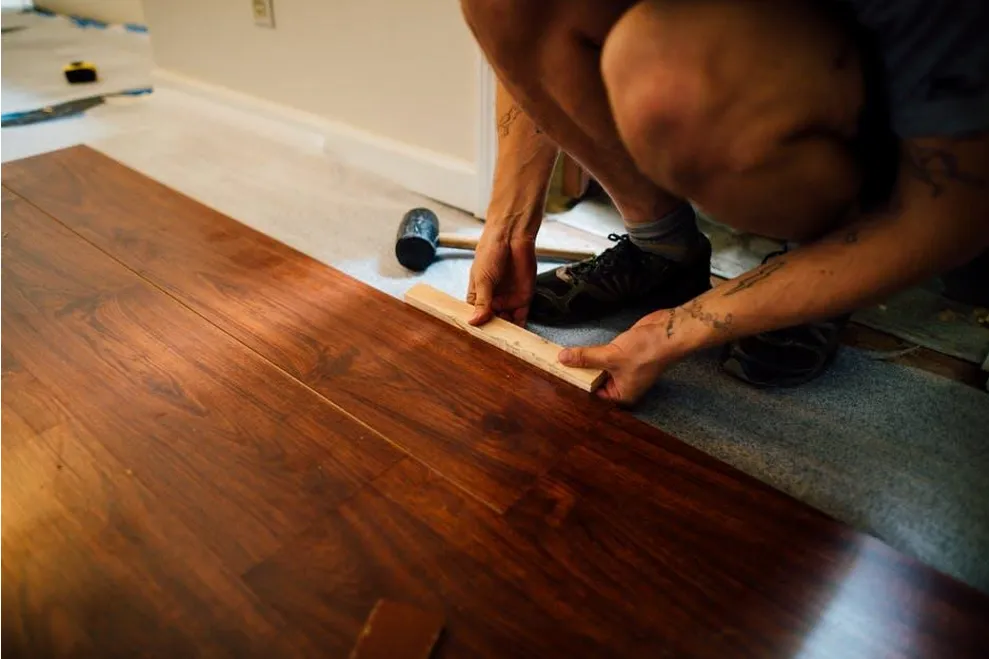
Selecting the right commercial surface affects your daily operations, safety, and brand image. Commercial properties deal with heavy foot traffic and other issues daily.
Making the right choice early can save time and reduce replacement costs later. This guide covers common commercial flooring options to help you choose the best floor for your business. Ready to dive in? Keep reading to learn more.
Durability and Traffic Demands
Heavy foot traffic can wear down standard commercial surfaces fast. Businesses that allow animals may choose pet friendly flooring to reduce scratches and moisture damage. High-quality materials keep commercial spaces clean and presentable.
Pick scratch-resistant vinyl planks protected by a wear layer at least 20mil thick. Heavy protective layers shield planks against scuffs from constant foot traffic. Commercial properties benefit from long-lasting surface protection.
Commercial properties need floors that can handle heavy use. Retail stores, offices, and service centers need surfaces that resist scratches, scuffs, and dents. A floor with a thick wear layer can provide extra protection from foot traffic and moving equipment. Choosing commercial-grade flooring can extend the life of the floor.
Modern commercial flooring focuses on comfort and safety. Flooring with good traction can reduce slips. Lower glare can create a more comfortable space for workers and visitors.
Budgeting and Cost Calculations
To calculate commercial flooring budgets, evaluate initial material costs. Quality commercial products reduce replacement frequency over 10 to 20 years. Smart financial planning accounts for square footage and disposal of old materials.
Material pricing varies based on durability grades, thickness, and specialized performance features. Rigid core vinyl planks and commercial ceramic tiles fall into middle pricing tiers with exceptional longevity. High-end natural hardwoods and specialized epoxy systems require higher capital outlays during initial installation.
Long-term maintenance costs protect company operating budgets from unexpected financial shocks. Selecting scratch-resistant surfaces lowers routine labor expenses for cleaning crews.
Top Material Options
Commercial properties can choose from several main flooring materials. Each option offers a different mix of cost, durability, and style. The best choice depends on how the room is used and how much moisture it faces. Here are some options you can use:
- Luxury Vinyl Plank (LVP)
- Porcelain and ceramic tile
- Engineered hardwood
- Commercial laminate
- Bamboo Flooring
LVP works well in high-traffic areas. Tile can handle wet entryways and other moisture-prone spaces. Matching the floor to the room can prevent early damage. SPC vinyl can handle heavy loads and changes in temperature. Businesses can use different flooring types in different areas to control installation costs.
Hard Surface vs. Soft Surface Decisions
Hard surfaces are a good choice for main walkways and reception areas. They are easy to clean and maintain after a busy workday. They can also handle rolling office chairs without developing deep dents.
Soft surfaces work well in conference rooms, quiet areas, and private offices. Carpet tiles can reduce noise and make work areas more comfortable. If one section becomes damaged, staff can replace a single tile instead of the entire floor.
Specialized Flooring Options
Some businesses need extra protection from moisture, scratches, and spills. Dog daycares, veterinary offices, grooming salons, and boarding facilities need floors designed for these conditions. The right flooring can stop liquid from reaching the subfloor. Specialized facilities rely on heavy-duty materials built for tough cleaning routines:
- Sheet vinyl
- High-performance resin
- Recycled rubber mats
- Commercial-grade tile
Waterproof construction can make spills and accidents easier to manage. Sealed surfaces keep liquids from reaching the subfloor. This can also reduce odor problems and make regular cleaning easier for staff.
A dog daycare flooring review states that high-performance resin floors can last 10 to 15 years. Recycled rubber systems can hold up well under frequent cleaning. Resin creates a continuous barrier against liquids and cleaning chemicals. Rubber flooring helps absorb impacts from larger animals.
One commercial flooring article identifies sheet vinyl in continuous rolls as a strong choice for wet grooming areas. Fewer seams give water fewer places to enter the floor. Grooming rooms can benefit from smooth surfaces that are easy to clean and sanitize.
Resin Coatings and Seamless Systems
Seamless flooring options fit commercial areas requiring strict sanitation standards. High-performance resin coatings form unbroken barriers that resist aggressive chemical cleaners and heavy physical impacts.
High-performance resin floors last 10 to 15 years, and recycled rubber systems hold up under tough cleaning routines. Long product lifespans reduce total replacement costs over several decades. Rubber surfaces cushion joints and absorb noise from busy activities.
Sheet vinyl installed in continuous rolls acts as the top option for wet work areas. Unbroken roll installations stop standing water from leaking beneath planks. Smooth surfaces resist mold formation and keep grooming rooms clean.
Maintenance Schedules and Long-Term Value
Calculating long-term commercial floor value involves reviewing maintenance routines and upfront purchase costs. Selecting low-maintenance materials reduces labor expenses across 10 to 20 years of continuous facility operations.
Daily upkeep routines vary across different commercial material categories. Hard surfaces require regular sweeping and simple mopping with neutral detergent solutions. Commercial carpets require routine vacuuming and periodic deep steam extraction.
Pre-finished commercial flooring products reduce long-term maintenance spending for property managers. Premium vinyl surfaces remove the need for constant stripping and waxing cycles. Predictable upkeep budgets help businesses allocate capital efficiently.
Planning and Installation Steps
Proper installation helps commercial flooring perform well and protects manufacturer warranties. Professional installers can inspect the subfloor, check moisture levels, and prepare the surface. Poor preparation can cause buckling, floor failure, or loose seams.
Flooring materials may need time to adjust to the building before installation. Many planks and tiles require 24 to 48 hours to adjust to room temperature and humidity. Proper expansion gaps on walls can prevent buckling when temperatures change.
Doorways and busy transit areas also need careful planning. Transition strips can create a smooth connection between different flooring types. They can reduce tripping risks for employees and visitors. Choosing matching transition strips can create a cleaner look between rooms and hallways.
Working with experienced commercial flooring installers can reduce business disruption. Installers may be able to work during evenings or weekends. Planning the project keeps work on schedule and within budget.
Make the Right Flooring Choice for Long-Term Value
Consider foot traffic, moisture, maintenance needs, and installation time before making your choice. Durable flooring can lower repair costs and provide reliable performance. Want to learn more trends? We’ve got you covered.

Ava Mitchell turns celebrity facts into smart, scroll-worthy stories at Star Ledger Pro, backed by 3 years of experience.


