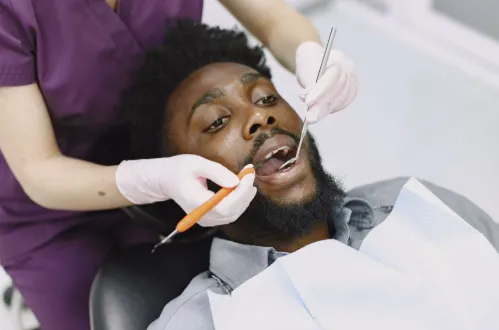
Keeping your teeth healthy rarely comes down to one dramatic fix. It usually comes from small, consistent habits and having the right dental care at each stage of life. If you live near Brighton, you’ve probably noticed how convenient neighborhood healthcare can shape routines for busy families. Dental visits are no different. A family-focused approach can make checkups easier to manage, while also catching issues before they turn into expensive, painful surprises.
What family dentistry actually covers
Family dentistry is built around one simple idea: you and your household can get dental care in one place, even when everyone’s needs look completely different. A teenager may need cavity prevention, a parent may need a crown, and a grandparent may need help managing gum disease. Same office, different game plans.
That broad scope matters more than people expect. Dental care isn’t only about clean teeth or getting lectured about flossing again. It includes monitoring jaw development, checking bite alignment, spotting signs of decay early, and watching for gum problems that can quietly build over time.
If you’re looking into family dentistry Brighton has several local experts who provide dental care for patients of different ages. When comparing your options, consider preventive care, routine cleanings, restorative treatments, emergency services, scheduling flexibility, and whether the practice can meet the needs of your entire family in one convenient location.
Why convenience changes your follow-through
People often skip dental visits for a boring but very real reason: logistics. When every family member goes to a different office, scheduling turns into a puzzle no one wants to solve. One practice for multiple age groups can cut down the number of appointments, forms, phone calls, and calendar gymnastics.
That convenience has a direct effect on your consistency. You’re much more likely to keep regular checkups when the process feels manageable. And regular care is where dentists catch tiny problems before they become dramatic ones. A small cavity is annoying. A root canal after months of delay is a full plot twist.
For parents, this setup also makes it easier to model good habits. When kids grow up seeing dental care as a routine part of life, they’re less likely to treat appointments like a punishment disguised as healthcare.
How care changes as you get older
Your dental needs at age seven, seventeen, and seventy don’t look remotely the same. That’s one reason family dentistry works well. It supports changes over time without making you start over with a new provider every few years.
For children, visits often focus on cleaning, fluoride, sealants, and making the dental office feel normal instead of terrifying. For teens, the conversation may shift toward sports guards, wisdom teeth, orthodontic concerns, and the eternal battle against sugary drinks.
Adults often deal with fillings, sensitivity, gum irritation, grinding, and cosmetic concerns. Older adults may need more attention around dry mouth, restorative work, gum recession, and the way medications affect oral health.
A provider who treats several generations sees those patterns clearly. That kind of continuity can reveal subtle changes faster than a disconnected care setup.
The value of prevention over repair
Most people understand that prevention matters, but it still gets treated like the optional side dish instead of the main course. In dentistry, preventive care saves money, time, and discomfort with surprising efficiency.
Routine exams and cleanings can uncover:
– Early cavities before pain starts
– Gum inflammation before it progresses
– Wear from grinding or clenching
– Plaque buildup in hard-to-reach spots
– Changes in bite or tooth positioning
– Warning signs linked to larger health issues
That last point deserves more attention. Dentists can sometimes notice symptoms connected to conditions like diabetes, chronic dry mouth, acid reflux, or vitamin deficiencies. Your mouth tends to report problems early, even when the rest of your body is trying to stay mysterious.
Repair-based care has its place, obviously. Still, staying ahead of problems usually means fewer invasive procedures and less stress later.
What to look for in a family dental practice
Not every office that treats multiple ages offers the same experience. You’ll want to pay attention to more than location and appointment slots. Those matter, but they’re only part of the picture.
A strong family dental practice often has:
– Experience treating both children and adults
– Preventive, restorative, and routine care in one setting
– Clear explanations without heavy jargon overload
– A calm environment for nervous patients
– Flexible scheduling for school and work hours
– A team that tracks long-term changes in oral health
Pay attention to communication style too. A good dentist doesn’t just announce a problem and disappear into technical language. You should leave understanding what’s going on, what needs attention now, and what can wait.
That clarity is especially important for teens and kids, who often form lasting opinions about dental care from how they’re treated during ordinary visits.
How family dentistry supports real-life routines
The best dental plan is the one you’ll actually follow. That means it has to fit into your life, not demand a total household reorganization. Family dentistry works well because it matches how people really live: busy mornings, packed afternoons, and limited patience for unnecessary errands.
It also helps build continuity. If one office knows your family’s dental history, there’s less guesswork. Patterns become easier to spot. If multiple relatives have gum issues, crowding, or enamel wear, that context can help shape better preventive care.
Practical routines become easier to maintain when your dental team reinforces them consistently. That can include reminders about brushing technique, advice on mouthguards, help managing sensitivity, or tips for reducing cavity risk from snacks and drinks.
Good oral health isn’t built through perfect habits. It’s built through repeatable ones. Family dentistry supports exactly that.
Making your next dental decision smarter
If you’ve been treating dental care like something to deal with only when pain forces the issue, you’re not alone. Plenty of people do that, and plenty of people regret it after the bill arrives. A family-focused practice can make routine care simpler, more consistent, and easier to maintain over the long haul.
That matters because oral health connects with far more than your smile. It affects comfort, confidence, sleep, eating habits, and overall health. It also affects how early problems get noticed, which often determines whether treatment stays simple or turns expensive fast.
If you’re choosing care for yourself, your kids, or several generations at once, a family dental setup offers practical advantages that go beyond convenience. It creates a steadier system, and steady systems usually produce better results than last-minute damage control.
Your future self will likely appreciate fewer surprises, fewer emergencies, and fewer awkward moments pretending a toothache will just magically disappear.

Ava Mitchell turns celebrity facts into smart, scroll-worthy stories at Star Ledger Pro, backed by 3 years of experience.


