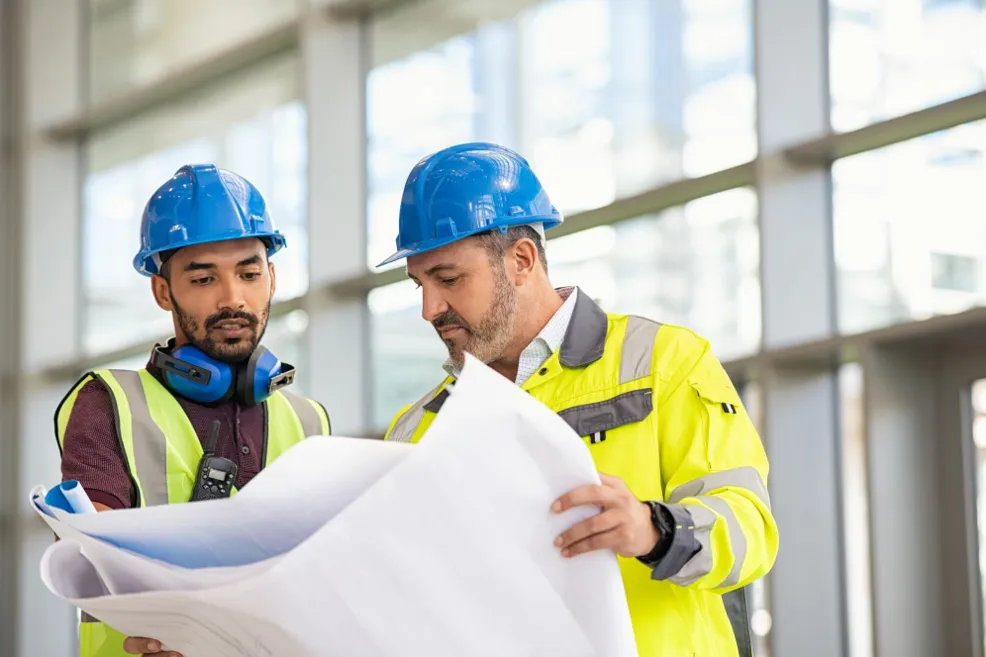
Multifamily buildings must meet many rules to stay safe and legal. These rules cover areas such as structure, fire safety, electrical systems, plumbing, and access for people with disabilities.
For owners, builders, and property managers, compliance is not a one-time task. It requires regular checks, repairs, and updates. A clear plan can help reduce risks, protect residents, and keep the property in good condition.
Follow Building Codes From the Start
Building codes set the basic safety rules for construction and major repairs. These rules can vary by city, state, and type of property.
Important areas often include structural strength, fire exits, electrical work, plumbing, and ventilation. Each part of the building must meet the rules that apply to it.
Builders should review local requirements before work begins. This can help prevent delays, extra costs, or the need to redo completed work.
Companies looking at multifamily construction solutions for builders may also compare materials and systems that can support code needs, durability, and long-term building use.
Schedule Regular Safety Inspections
Safety inspections help find problems before they become more serious. They are an important part of keeping a multifamily property safe.
Property managers should check fire alarms, sprinklers, exits, elevators, and common areas on a regular basis. Electrical and plumbing systems should also be reviewed.
Inspections can help spot leaks, damaged wiring, blocked exits, or worn equipment. These issues may create safety risks if they are ignored.
Keeping written records of inspections is also helpful. It shows what was checked, what problems were found, and when repairs were completed.
Meet Accessibility Requirements
Multifamily buildings should be designed so that people with different needs can use common spaces safely.
This may include ramps, wider doors, accessible parking, elevators, and restrooms that are easier to use. The exact rules depend on the building and local law.
Accessibility should be considered during both new construction and renovation work. Waiting until the end of a project can make changes more difficult and expensive.
Property managers should also keep accessible routes clear. A ramp or hallway is not useful if it is blocked by furniture, boxes, or other items.
Keep Up With Ongoing Maintenance
Regular maintenance helps keep a building safe after construction is complete. Small problems are usually easier to fix when they are found early.
Roofing, drainage, HVAC systems, fire equipment, and shared areas should all be checked on a set schedule. Leaks and moisture problems should be handled quickly.
Common spaces also need regular care. Stairs, railings, doors, lighting, and walkways should remain safe and easy to use.
A good maintenance plan can also help extend the life of building systems. It may reduce repair costs and lower the chance of sudden problems.
Conclusion: Protect Residents and the Property
Multifamily compliance is about more than meeting legal rules. It is also about creating a safe and reliable place for people to live.
Building codes, inspections, accessibility, and maintenance all work together. When one area is ignored, it can create problems for residents and property owners.
By staying organized and handling issues early, owners and managers can reduce risk, support resident safety, and protect the long-term value of the building.
If you’d like to learn more, check out more articles on our blog.

Ava Mitchell turns celebrity facts into smart, scroll-worthy stories at Star Ledger Pro, backed by 3 years of experience.


