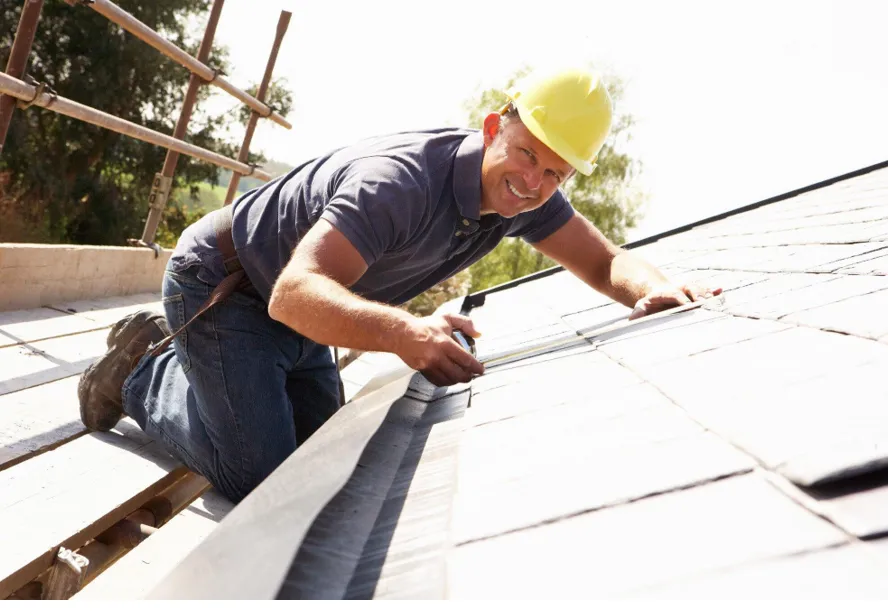
A home shelter system takes a constant beating from natural elements every single day. Catching subtle warning signs early helps protect structural framing beneath the shingles.
Planning a major upgrade requires evaluating materials, financial plans, and installation options carefully. Understanding primary details upfront promotes a smooth home improvement project.
Understanding Current Damage and Leakage
Water intrusion often signals severe trouble beneath old roof decking. Planning a full roof replacement home project helps prevent wood rot from spreading throughout exterior walls. Small leaks quickly turn into major interior repairs when neglected.
Severe wind events strip protective layers from vulnerable upper corners. Moisture buildup under aging underlayment creates unseen mold problems inside attic spaces. Spotting structural wear early saves property owners from costly emergency fixes.
Homeowners must inspect surfaces for missing shingles, dark streaks, or curling edges. Granule loss in gutters indicates that protective barriers are wearing thin. Frequent inspections help determine the exact right moment for updates.
Evaluating Roof Replacement Expenses
The cost of a new roof depends on the roof size and the materials used. Research shows that 33% of homeowners replace their roofs because of leaks. Fixing leaks early can help stop more damage and keep repair costs lower. Planning can make it easier to control the total cost.
A clear quote should show each part of the work before it starts:
- Removing the old roof
- Fixing roof boards and underlayment
- Labor for roof installation
Old roof shingles may hide damaged wood underneath. This can add to the final cost. Saving some extra money can help cover repairs that are found during the work. Clear quotes from roofers make it easier to plan your budget and avoid surprise costs.
Selecting the Right Building Materials
The materials you choose can affect how long a roof lasts and how much care it needs. Data shows that a new roof can cost between $9,858 and $41,822, with an average cost of about $25,840. Choosing materials that fit your budget can provide good value over time.
Asphalt shingles are an affordable and common choice for many homes. Metal roofing can provide strong protection from heavy wind and snow. Slate tiles offer a classic look but are heavy and may require stronger roof supports.
Local weather should guide your material choice. Humid areas may need shingles that resist algae growth. Cold areas may need extra protection against ice dams and winter weather.
Selecting Professional Installation Contractors
Good installation can help a roof last longer and protect the home from bad weather. Poor installation can cause early damage, even when high-quality materials are used. Experienced roofers should follow the instructions provided by the material maker.
Before signing a contract, check that the contractor has a valid license and insurance. Written warranties can protect against installation problems or faulty materials. Getting several quotes can help you compare prices and understand local costs.
Good communication can help keep the project on schedule. Reliable contractors should protect the property before removing the old roof. After the work is finished, proper cleanup is important. Removing loose nails and other debris helps keep yards, driveways, and walkways safe.
Explore Factors to Consider Before Replacing Your Roof
Replacing a residential roof requires balancing material durability with contractor expertise. Thorough planning prevents costly surprises during tear-off and construction.
Evaluating damage, project costs, and material selections leads to reliable home protection. Securing strong roof coverage preserves property value for decades to come. If you’d like to learn more, check out more articles on our blog.

Ava Mitchell turns celebrity facts into smart, scroll-worthy stories at Star Ledger Pro, backed by 3 years of experience.


